
PRP Joint Injection Therapy
If you’re dealing with ongoing joint pain, Platelet-Rich Plasma (PRP) therapy may be an option to help support your body’s natural healing process. PRP may be used to treat certain joint, tendon, and ligament injuries or degenerative conditions, with the goal of reducing pain, improving function, and supporting tissue healing.
PRP therapy uses a small sample of your own blood, which is processed to concentrate platelets, which contain substances that help support tissue repair and healing. The concentrated PRP is then injected into the painful joint or injured area.
PRP may be used for certain types of joint pain and tendon or ligament injuries, especially when other treatments haven’t provided the relief you’re looking for. Your provider will review your symptoms and medical history to determine whether PRP may be right for you.
How Does PRP Therapy Work?
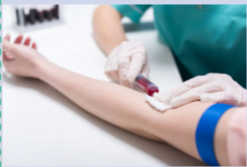
A small sample of your blood is drawn and processed to concentrate platelets and other components of your blood. The resulting platelet-rich plasma is then carefully injected into the affected joint, ligament, or surrounding tissue.
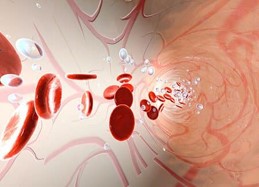
Platelets contain naturally occurring growth factors and signaling proteins that play an important role in the body’s normal tissue-repair response. By delivering a concentrated preparation directly to the area being treated, PRP is intended to help support the body’s healing environment. PRP may be used in areas such as the knee, hip, shoulder, elbow, ankle, and other joints or soft tissues.
What Can I Expect?
PRP treatment is typically performed as an outpatient procedure in the office. Because the treatment uses your own blood, there is no need for donor tissue. Your clinician will evaluate your condition, review your medical history, and use appropriate imaging and/or examination findings to determine whether PRP is a reasonable treatment option.
The procedure is minimally invasive. Some patients experience increased soreness or swelling for a few days following an injection as part of the normal healing response; these effects generally improve as you recover. Improvement, when it occurs, may develop gradually over the following weeks.
Is PRP Right for Me?
PRP is not appropriate for every patient or every type of injury. Results can vary depending on the condition being treated, the severity and location of the injury, overall health, and other factors.
If you’re looking for a non-surgical treatment option for persistent joint, tendon, or ligament pain, PRP may be worth discussing with your healthcare provider. Schedule a consultation to learn more.

Treatment is not appropriate for every patient, and results vary. Your provider will review your symptoms, medical history, and goals, and discuss potential risks, benefits, and alternatives before recommending treatment.