Regenerative Medicine
Rather than simply masking symptoms, regenerative therapies are designed to address the underlying issues that may be contributing to pain, inflammation, and reduced function.
Depending on your condition and individual needs, regenerative medicine may include treatments such as PRP (platelet-rich plasma), prolotherapy Prolozone®, and other biologic therapies. These minimally invasive treatments use substances that may help support the body’s natural healing response and promote healthier tissue function.
Regenerative medicine can be considered for patients experiencing a multitude of musculoskeletal conditions. Treatment plans are personalized based on your symptoms, medical history, activity level, and goals.
What Conditions May Benefit?
- Osteoarthritis and degenerative joint pain
- Tendon and ligament injuries
- Chronic tendon pain or tendinopathy
- Certain sports and overuse injuries
- Joint pain that has not responded adequately to conservative treatment
A Personalized Approach to Healing
Every patient is different. Our goal is to identify the source of your pain and develop an individualized treatment plan designed to help you reduce discomfort, improve mobility, and return to the activities you enjoy.
If you are looking for an approach that works with your body’s own healing mechanisms, regenerative medicine may be an option worth exploring. We will discuss your condition, treatment options, expected benefits, risks, and alternatives so you can make an informed decision about your care.
Non-Surgical Solutions for Joint Pain
Joint pain can affect your mobility, activity level, and quality of life. When conventional treatments have not provided the relief you are looking for, regenerative medicine may offer another option.
Regenerative therapies are designed to support the body’s natural healing response and may help improve the health and function of injured or weakened ligaments, tendons, and other joint structures. Your treatment plan is individualized based on your symptoms, physical examination, imaging findings, and the extent of joint damage.
Some patients may experience improvement after only a few treatments, while others require a longer series of treatments. The number and type of treatments recommended will depend on your individual condition and response to care.
A comprehensive regenerative treatment plan may include injection therapy, nutritional and naturopathic support in managing inflammation, and therapeutic exercises designed to improve strength, stability, mobility, and function.
Our goal is to address the underlying factors contributing to your joint pain while helping you remain active and, when appropriate, avoid unnecessary invasive procedures.
Regenerative Treatment Options
Joint tissues such as ligaments, tendons, and cartilage have relatively limited blood supply compared with other tissues in the body. This can contribute to slower or incomplete healing following injury or repetitive stress.
Regenerative medicine uses targeted therapies intended to support the body’s natural repair processes and improve joint stability and function. These minimally invasive treatments may require little downtime, making them an appealing option for active individuals, athletes, and patients looking for alternatives to surgery.
Prolotherapy
Prolotherapy is an injection-based treatment designed to stimulate the body’s natural healing response in areas of ligament and tendon weakness or injury.
A carefully selected solution is injected into targeted structures around the affected joint. The goal is to encourage a localized healing response that may help strengthen connective tissue, improve joint stability, and reduce pain.
Treatment plans vary depending on the location and severity of the injury. A series of treatments may be recommended, followed by periodic reassessment to determine whether additional care is appropriate. Learn about Prolozone® injection treatment.
Platelet-Rich Plasma (PRP)
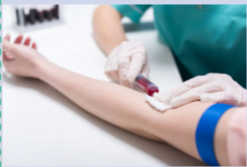
Platelet-Rich Plasma, or PRP, uses a small sample of your own blood. The blood is processed to concentrate platelets and growth factors, which are then injected into the affected area.
PRP is designed to provide a concentrated source of your body’s own healing components and may be used for certain tendon, ligament, cartilage, and joint conditions.
For patients experiencing both pain and inflammation, treatment may involve an individualized progression of therapies. In some cases, prolotherapy may be recommended before PRP, depending on the condition being treated.
Your provider will determine whether PRP is appropriate based on your symptoms, examination, imaging, and overall health. Learn about PRP joint injection therapy.
Healthy Ligaments Are Essential to Joint Health
Your ligaments, tendons, cartilage, and other joint structures work together to provide stability, strength, flexibility, and movement.
Injury, repetitive stress, athletic activity, and the normal aging process can place significant demands on these structures. When ligaments become stretched or weakened, joint stability may be affected. Changes in joint mechanics can place additional stress on cartilage and other tissues, potentially contributing to pain, inflammation, and degenerative changes over time.
Trauma can cause a new injury or aggravate symptoms from an older injury. Repetitive movements and years of activity may also contribute to gradual wear and changes associated with arthritis and joint degeneration.
Because some connective tissues have a limited blood supply, healing may be slower than in tissues with greater circulation. Regenerative medicine is intended to support the body’s natural healing response and, when appropriate, improve tissue strength and joint stability.
Staying Active as We Age
As we age, changes in activity levels, muscle strength, connective tissue, and the body’s natural healing processes can affect joint health.
Previous injuries involving the knees, hips, shoulders, neck, or other joints may contribute to recurring or persistent pain. Pain can also change the way you move, potentially placing additional stress on surrounding muscles and joints.
Maintaining strength, mobility, and healthy movement patterns is an important part of healthy aging. For individuals with arthritis or chronic joint pain, a comprehensive approach that combines regenerative therapies with exercise, lifestyle strategies, and supportive care may help improve function and maintain an active lifestyle.
Our goal is to help you understand the factors contributing to your pain and develop a personalized plan to improve mobility, stability, and quality of life.
Your First Appointment
Successful treatment begins with understanding the underlying cause of your joint pain. During your first appointment, we will:
- Discuss your symptoms, medical history, previous injuries, and treatments you have tried.
- Perform a comprehensive physical examination.
- Evaluate your joint stability, mobility, strength, and areas of tenderness.
- Review existing X-rays, MRI studies, or other imaging when available.
- Determine whether additional imaging or diagnostic testing may be appropriate.
- Explain your treatment options and answer your questions.
Once we have a clear understanding of your condition, we will develop an individualized treatment plan, including regenerative therapy when appropriate. Your plan may include prolotherapy, PRP, therapeutic exercise, naturopathic support, and other conservative therapies designed to address your specific needs.
Regenerative medicine isn’t about treating everyone the same way. It’s about understanding why you’re hurting and developing a personalized, non-surgical approach to help you move and function at your best.
Take the next step toward moving and feeling your best. Contact our office to schedule a consultation and learn whether regenerative medicine may be appropriate for you.
Treatment is not appropriate for every patient, and results vary. Your provider will review your symptoms, medical history, and goals, and discuss potential risks, benefits, and alternatives before recommending treatment.